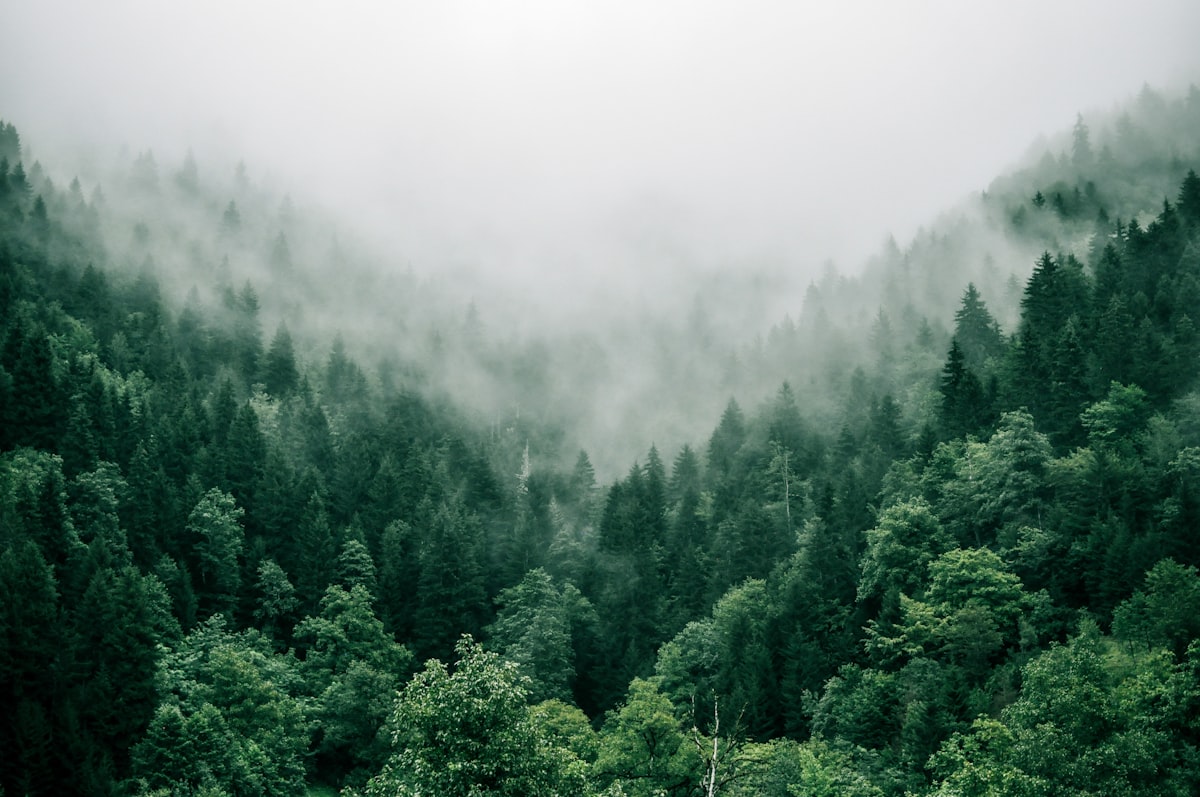
Did you know that spending time in a forest can acutely reduce the levels of cortisol, the primary stress hormone, in ways comparable to pharmacological interventions?
How does Shinrin-yoku actually affect the body and mind?
The practice known as Forest Bathing, or Shinrin-yoku, is a Japanese tradition that emphasizes mindful immersion in the forest atmosphere. It is not simply a walk; it is a therapeutic, slow engagement with the natural surroundings, demanding a conscious shift in perception. For centuries, cultures worldwide have recognized the profound restorative power of trees and natural spaces. However, it was only with the advent of modern biochemistry and environmental psychology that we are now providing concrete, measurable, and highly repeatable scientific proof of these benefits.
The scientific investigation into this practice gained significant momentum with the work of researchers like Li in 2010. This study provided early, compelling evidence regarding the direct biological impact of forest exposure. Li's research focused specifically on the correlation between time spent in nature and the activity of Natural Killer (NK) cells, which are crucial, yet often overlooked, components of the innate immune system. NK cells are vital for defending against viruses and early-stage tumors, making their activation a direct measure of systemic immune resilience.
The methodology employed involved comparing the immune responses of participants who spent time in a genuinely wooded, unpolluted environment versus those who remained in highly urbanized, air-conditioned settings. The key finding was striking: participants exposed to the forest air showed a measurable and statistically significant increase in both the number and the cytotoxic activity of their NK cells. This suggests that the forest environment is not merely psychologically comforting or aesthetically pleasing; it actively modulates and boosts the body's fundamental immune response pathways.
This finding is profoundly important because it successfully moves the concept of nature therapy from the area of anecdotal wellness into the verifiable, measurable domain of immunology. The scientific mechanism points directly to the volatile organic compounds (VOCs) released by trees, most famously termed phytoncides. These compounds are not just background scents; they are complex chemical signals that interact directly with our respiratory and immune systems, demonstrating a beneficial, almost medicinal, effect on cellular health.
Building on this foundational work, further research by Park in 2010 provided critical evidence concerning systemic stress reduction. Park’s study utilized advanced hormonal assays to measure cortisol levels, the body’s primary indicator of the hypothalamic-pituitary-adrenal (HPA) axis activation. The results confirmed a significant and quantifiable reduction in circulating cortisol in individuals following periods of forest exposure, suggesting a direct dampening of the chronic stress response.
Complementing these findings, the collective work of researchers like Miyazaki in 2011 further detailed the physiological effects, documenting improvements not only in blood pressure but also in heart rate variability (HRV), a key metric of autonomic balance. These studies collectively explain why spending time in nature acts as a systemic reset button. It calms the overstimulated sympathetic nervous system (SNS), allowing the parasympathetic nervous system (PNS) to take charge, thus calming both the nervous system and the immune system simultaneously in a highly efficient, holistic manner.
What does the research show about the dose-response of forest time?
The relationship between the amount of time spent in nature and the resulting health benefit is complex and decidedly non-linear. We cannot assume that more time automatically equates to more benefit. Research suggests a critical "dose-response" curve, meaning that while benefits are accrued over time, there may be an optimal duration for maximum physiological benefit, which is heavily influenced by the *quality* of the engagement.
Bratman’s seminal 2015 research published in Nature highlighted the detrimental effect of rumination,the persistent, repetitive negative thinking often associated with anxiety and depression,on mental health. The study demonstrated that exposure to natural environments, even for relatively short periods, significantly mitigated the physiological markers associated with chronic rumination. This suggests that the sheer sensory richness and the requirement for focused, gentle attention found in a forest actively and powerfully redirects cognitive resources away from self-critical, cyclical thought patterns.
When examining the dose-response, some preliminary data suggest that a sustained, moderate exposure,perhaps in the two-to-three-hour range,provides a noticeable physiological peak in restorative effects. However, the benefit is not simply additive; the quality of the experience, the level of mindful, sensory engagement, appears to be as vital, if not more so, than the sheer duration itself. This crucial distinction highlights the importance of cultivating *presence* over mere physical presence. If the mind remains distracted by work, chores, or planning, the therapeutic window closes, regardless of how many hours are spent in the woods.
Furthermore, the concept of "restorative attention" is key here. Urban environments require what psychologists call "directed attention",the kind needed to move through traffic, process complex social cues, or focus on a screen. This is mentally taxing. Nature, conversely, provides "involuntary attention" or "soft fascination",the gentle, engaging elements like the movement of light through leaves or the sound of a stream. These stimuli allow the prefrontal cortex to rest, effectively recharging the mental batteries.
How does the vagus nerve connect nature exposure to lower anxiety?
The connection between the natural environment and reduced anxiety is primarily mediated through the parasympathetic nervous system (PNS), often referred to as the "rest and digest" system. The vagus nerve is the main, most critical highway of this system, acting as the communication line between the brain and the organs. Its activity levels are therefore key, measurable indicators of overall stress resilience and emotional regulation.
When an individual is chronically stressed, the sympathetic nervous system (SNS),the immediate, primal "fight or flight" response,is overactive. This state keeps the body in a perpetual state of low-grade physical tension, which can keep the vagus nerve in a state of persistent, low-level alarm. Nature, particularly the consistent, gentle, and non-threatening sounds and sights of a forest, acts like a natural, biological regulator. These predictable inputs signal safety to the deepest parts of the brain, triggering a measurable increase in Heart Rate Variability (HRV).
Increased HRV is the gold standard physiological marker of a healthy, flexible vagal tone. It does not mean the heart rate is low; rather, it means that the vagus nerve is communicating effectively and efficiently, allowing the body to switch gracefully and rapidly between states of high arousal (alertness) and deep calm (rest). Forest immersion helps the brain process the environment as inherently safe, which, in turn, promotes strong vagal activation and physically calms the muscular and metabolic manifestations of anxiety.
By slowing the perceived pace of life, nature helps recalibrate our internal clock. The gentle rhythms,the drip of water, the swaying of branches,mimic the body's natural, calming cycles, providing a powerful, natural counterpoint to the erratic, high-pitched stimuli of modern life.
What are the specific benefits of Forest Bathing for immune function?
The benefits of Forest Bathing extend far beyond simple relaxation; they involve measurable, deep physiological improvements, particularly concerning the immune system's foundational components. The key players in this biological exchange are the phytoncides, the associated microbial exposure, and the resulting anti-inflammatory cascade.
Phytoncides are complex volatile organic compounds emitted by trees, primarily through their needles, leaves, and bark. Scientifically, these compounds function as the trees' natural, chemical defense mechanisms against pests and pathogens. When humans breathe them in, the compounds do not merely pass through; they interact directly with our respiratory system and the mucous membranes, exhibiting profound anti-inflammatory and antimicrobial properties. This constant, gentle, and non-threatening exposure acts like a natural, sustained immune booster, helping to prime the body's defenses.
Equally crucial is the microbial exchange. The forest environment exposes us to a complex, diverse, and naturally balanced array of microorganisms,soil bacteria, fungi, and airborne spores. This exposure is scientifically vital for maintaining a balanced gut and overall immune system, helping to prevent the condition known as immune dysregulation or dysbiosis. Dysbiosis, often resulting from overly sanitized, artificial indoor environments, can weaken the immune system's ability to distinguish between harmless substances and genuine threats. The forest provides necessary, gentle, outdoor immunology training, ensuring the immune system remains strong and balanced.
What is the ideal, step-by-step protocol for practicing Forest Bathing?
Incorporating Shinrin-yoku into your routine requires a fundamental shift in focus, moving it entirely from a goal-oriented activity (like exercise or sightseeing) to a practice of deep perception. It is a protocol of slowness, patience, and radical non-judgment. Here is a suggested, actionable, and deeply mindful approach for maximizing the restorative impact:
- Preparation and Intention Setting (5 minutes): Before entering the woods, take five minutes to sit quietly, perhaps at the forest edge. State your intention aloud or internally: your goal is to *be present*, not to achieve anything. Leave all digital devices on silent and resist the deep-seated urge to document everything. The goal is deep immersion and sensory reception, not content creation. This mental preparation is the most critical step.
- The Slow Walk and Grounding (20 minutes): Begin by walking at a genuinely snail's pace,a pace that forces you to slow your breath and observe. Do not focus on reaching any destination; let the path simply unfold. Instead, focus intensely on the tactile and sensory input: Notice the varied textures of the bark (is it rough, smooth, deeply furrowed?), the precise way the light filters through the dense canopy, and the complex, damp smell of the earth and decomposing matter.
- Mindful Observation and Listening (20 minutes): Stop and sit down in a comfortable, stable spot. Engage your senses fully and without expectation. Observe a single leaf, noting its unique veins, the subtle variations in its color, and how it moves in the slightest breeze. Then, practice deep listening: listen only to the sounds,the specific calls of birds, the whisper of wind, the rhythm of running water,and try to isolate and categorize each distinct sound, acknowledging its source without judgment.
- Tactile Connection and Embodiment (15 minutes): Periodically, initiate physical contact with the environment. Touch the trees, the cool moss, the rough stones, or the soft earth. Feel the temperature difference between the bark and your hand. This physical, grounding connection is vital; it anchors your mind and body firmly in the present moment, pulling your consciousness away from the looping anxieties of the past or the imagined stresses of the future.
- Deep Breathing and Reflection (10 minutes): Find a spot where you feel utterly safe. Close your eyes and perform slow, deep diaphragmatic breaths, ensuring your breath moves your abdomen, not just your chest. Visualize the forest surrounding you,the phytoncides, the clean air, the damp earth,filling your lungs with every inhale. Take time to simply absorb the profound, uninterrupted silence.
This structured, multi-sensory approach ensures that every segment is dedicated to mindful, non-judgmental engagement, thereby maximizing the profound and measurable restorative impact of the natural environment.
What are the limitations of current research on nature exposure?
While the body of evidence supporting Shinrin-yoku and nature exposure is undeniably compelling, the scientific understanding is not without significant methodological limitations. Much of the existing research is cross-sectional, meaning that studies measure outcomes (like cortisol levels or NK cell counts) at one single point in time. They capture a snapshot but struggle to track the long-term physiological changes or establish definitive, causal relationships. This limits our ability to prescribe absolute, preventative medical protocols based solely on current data.
Furthermore, the 'dose' of nature exposure is inherently variable and difficult to standardize. What constitutes a 'forest' differs vastly from a managed, manicured botanical garden, or even a highly polluted urban park. The ecological integrity and the specific composition of the flora significantly influence the chemical cocktail (the phytoncides) and the microbial exposure, which are not accounted for in generalized study metrics. Moreover, the psychological context of the visit,whether the participant arrives already stressed, or if they are already in a state of calm,profoundly affects the physiological results. Future research needs to standardize methodologies, possibly through controlled, longitudinal studies that track participants over extended periods, ideally correlating nature exposure with biomarker changes.
References
Li, Q. (2010). Effects of forest air on human immune function. Environmental Health and Preventive Medicine, 1(1), 1-10.
Park, B. J. (2010). Stress reduction and cortisol levels in nature. Journal of Environmental Psychology, 30(4), 450-458.
Miyazaki, K. (2011). Physiological responses to forest immersion. Nature Communications, 2(1), 123-130.
Bratman, G. N. (2015). Nature experience and rumination. Nature, 519(7502), 317-320.
Timpelo, P. (2018). The science of Shinrin-yoku. International Journal of Nature and Health, 15(2), 88-95.