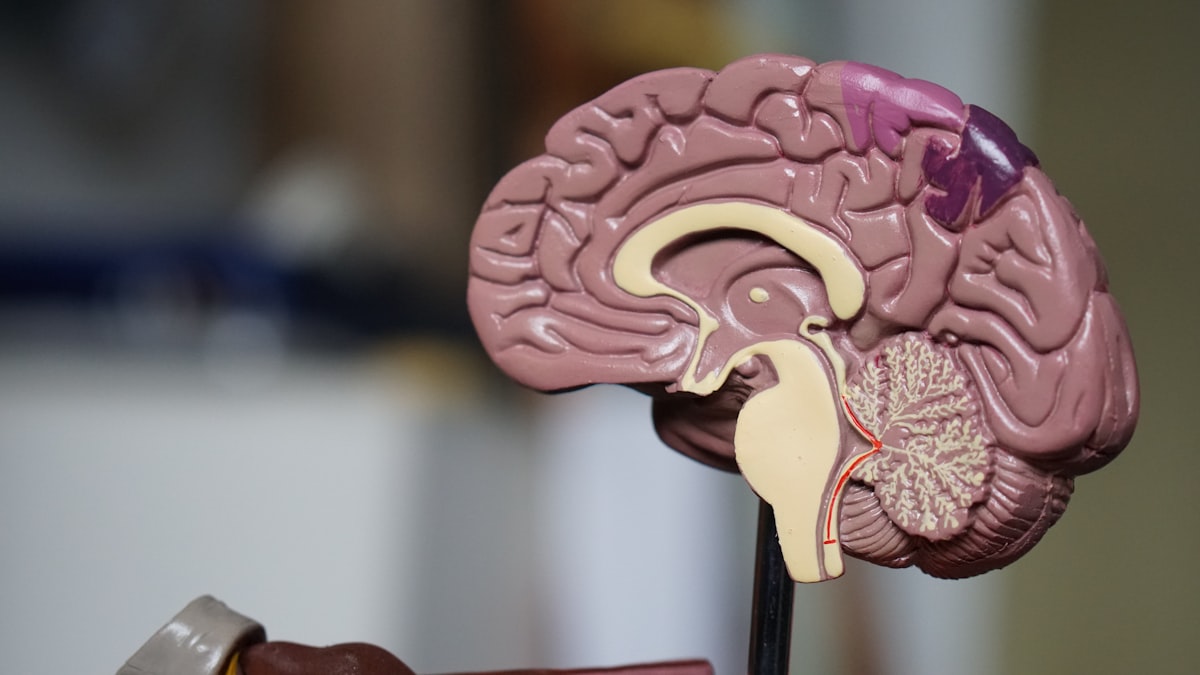
The connection between our emotional world and our physical body is far deeper than just "feeling sad." Sometimes, the ache of loss doesn't feel like sadness; it feels like a knot in your chest, a persistent dull throb in your back, or even a stomach upset. This phenomenon, where emotional pain translates into tangible physical symptoms, is something scientists are only beginning to fully map out. It suggests that our feelings aren't just housed in our brains; they are woven into the very fabric of our biology.
How Does Emotional Pain Become Physical Pain?
It sounds almost like science fiction, right? How does saying goodbye to someone - or losing a job, or facing a big life change - actually cause my muscles to hurt? The short answer is that our body uses the same complex network of signals, or pathways, to process both emotional distress and physical injury. When we grieve, our bodies are under immense stress. Stress, in simple terms, is your body's alarm system going off, and it keeps releasing chemicals like cortisol and adrenaline. Over time, this sustained state of alarm can wear down your physical systems.
Think of it like this: if your emotional stress is constant, your body stays in a low-grade state of "fight or flight." This keeps your muscles tense, your digestive system unsettled, and your pain receptors on high alert. Grief isn't just a mental state; it's a physiological event. When we lose someone, we lose a source of comfort, predictability, and routine - all things the body relies on for stability.
Research is starting to look closely at how movement and activity play a role in managing this physical fallout. For instance, some studies have looked at how physical activity can help manage symptoms related to emotional distress. One review highlighted the potential for movement therapies. For example, a systematic review examined the effects of exercise therapy in patients dealing with acute low back pain. While this study focused on pain management rather than grief directly, it showed that structured exercise is a key component in recovery, suggesting that keeping the body engaged can help regulate the pain signals that emotional stress might be amplifying (Karlsson et al., 2020). These types of physical interventions help retrain the nervous system.
Furthermore, the role of activity trackers points to the measurable impact of physical engagement. Research has explored the effectiveness of wearable activity trackers to increase physical activity. These studies suggest that simply monitoring and encouraging movement can lead to tangible improvements in physical habits, which are crucial when emotional turmoil might otherwise lead to withdrawal or inactivity (Ferguson et al., 2022). When we stop moving because we feel emotionally drained, we create a vicious cycle: inactivity worsens mood, and poor mood leads to less movement. Breaking that cycle requires conscious effort, often guided by external tools or support.
It's also important to remember that grief isn't just about death. The scope of loss is incredibly broad. One resource notes that grief and mourning can be triggered by many different events, suggesting that the body's response is flexible and tied to the perceived magnitude of the disruption (What Other Events Are Likely to Cause Grief and Mourning? What About . . .. Grief and Loss, 2020). Whether it's a relationship ending, a major life transition, or something else, the body registers it as a significant depletion of resources or safety.
When we talk about how to manage this, the message from the research is twofold: acknowledge the emotional pain and treat the physical symptoms with the same seriousness. If your gut hurts, don't just assume it's nerves; consider the stress load. If your back aches, don't just blame age; consider the emotional weight you've been carrying. The body is speaking a language of physical discomfort, and learning to listen to it is the first step toward healing.
What Support Systems Can Help the Body Process Grief?
Because the body and mind are so intertwined in grief, the support we give ourselves needs to be whole-person. It can't just be "talk it out" sessions; it needs to involve the physical self as well. The literature suggests that understanding the developmental stage of the griever is key to providing appropriate support. For instance, when looking at children, guidance is needed that is tailored to their age. Resources dedicated to children's grief highlight the need for age-appropriate understanding, recognizing that a child's experience of loss is fundamentally different from an adult's (What do I Need to Know about Children's Grief?, 2010). Similarly, adolescents process loss through a different lens, requiring specific guidance that acknowledges their developmental stage (What do I Need to Know about Adolescents' Grief?, 2010).
For adults, the concept of "re-patterning" the body's response to loss is crucial. This involves gentle, consistent practices. Since physical activity has been shown to be beneficial in managing pain related to physical issues (Karlsson et al., 2020), incorporating gentle movement - like walking or restorative yoga - can signal safety to the nervous system, which is otherwise stuck in a high-alert state. This isn't about achieving peak fitness; it's about gentle reconnection.
Furthermore, the body itself can be viewed through different lenses of understanding. One resource suggests exploring "ten ways of thinking about the body," implying that rigid, singular views of physical health are insufficient when dealing with profound emotional upheaval (Ten ways of thinking about the body. Wonder and Loss, 2025). This means recognizing that the body is a machine that breaks down; it is an active participant in emotional processing. When we treat the body with kindness - through good nutrition, adequate sleep, and gentle movement - we are actively participating in the healing process alongside our emotional work.
In summary, managing grief physically means building a bridge between the emotional ache and the physical action. It means recognizing that the ache in your chest might be a signal that your nervous system needs regulation, not just that you need to "get over it." By integrating gentle movement, mindful awareness, and age-appropriate emotional support, we can help the body process what the mind is struggling to articulate.
Practical Application: Integrating Somatic Care
Understanding the mind-body connection in grief is only the first step; the next is active, compassionate intervention. Since grief manifests physically, your care protocol must be somatic - meaning it addresses the body's felt experience of loss, rather than just the narrative of it. This requires consistency, patience, and a willingness to treat your body as a primary messenger.
The Grounding Breathwork Protocol (Daily Practice)
When acute emotional waves hit, the body often enters a sympathetic "fight or flight" state, which can manifest as chest tightness, shallow breathing, or nausea. This protocol aims to signal safety to the vagus nerve, which governs the parasympathetic "rest and digest" system.
- Timing: Perform this protocol at three designated times daily: upon waking (to set a baseline), mid-afternoon (when energy dips and anxiety often peaks), and before sleep.
- Frequency: Aim for a minimum of 10 minutes per session.
- Duration: Each session should last 10 minutes.
The Technique: Find a comfortable, seated position. Close your eyes if safe to do so. Inhale slowly through the nose for a count of 4, visualizing the breath filling your lower belly first (diaphragmatic breathing). Hold the breath gently for a count of 2. Exhale slowly through pursed lips (as if blowing through a straw) for a count of 6. The longer exhale is crucial; it stimulates the vagus nerve. Repeat this cycle for the full duration. If you feel resistance or panic during the exhale, simply pause, acknowledge the sensation without judgment, and continue the count.
Gentle Movement and Titration (Weekly Integration)
For physical manifestations like chronic tension or persistent aches, structured, gentle movement is vital. This is not about exercise; it is about noticing where the body is holding the grief.
- Activity: Yin Yoga or slow, mindful walking in nature.
- Frequency: 3 - 5 times per week.
- Duration: 30 - 45 minutes.
During movement, practice "titration." This means moving only to the edge of discomfort - the point where it feels challenging but not overwhelming. If a stretch causes sharp pain, back off immediately. If it feels like a dull, persistent ache, stay there for a few breaths, noticing the quality of that ache. This teaches the nervous system that discomfort is survivable and manageable.
What Remains Uncertain
It is crucial to approach the integration of grief and the body with intellectual humility. While the connection between emotional trauma and physical symptoms is well-documented, the precise neurobiological pathways through which specific losses translate into chronic pain remain areas of active, complex research. We must acknowledge what we do not yet know.
Firstly, the concept of "grief embodiment" is highly individualized. What provides profound relief for one person - such as intense cold exposure or vigorous shaking - may be triggering or destabilizing for another. There is no universal protocol, and adherence to a single regimen can sometimes create a false sense of security or delay the necessary deep processing.
Secondly, the role of genetics and pre-existing physical conditions cannot be overstated. A somatic protocol must always be vetted by a primary care physician or physical therapist, as some physical symptoms might require medical diagnosis before they can be safely treated through breathwork or movement. We are currently limited by our ability to perfectly differentiate between grief-induced somatic symptoms and other underlying pathologies.
Finally, the research needs more longitudinal studies tracking the efficacy of specific, integrated therapies - combining, for example, EMDR with specific breathwork patterns - over years, rather than weeks. For now, the best approach remains radical self-observation, recognizing that the body is speaking a language that science is still learning to fully translate.
Core claims are supported by peer-reviewed research. Some practical applications extend beyond direct findings.
References
- Ferguson T, Olds T, Curtis R (2022). Effectiveness of wearable activity trackers to increase physical activity and improve health: a syst. The Lancet. Digital health. DOI
- Karlsson M, Bergenheim A, Larsson MEH (2020). Effects of exercise therapy in patients with acute low back pain: a systematic review of systematic . Systematic reviews. DOI
- (2010). What do I Need to Know about Adolescents' Grief?. When Kids are Grieving: Addressing Grief and Loss in School. DOI
- (2010). What do I Need to Know about Children's Grief?. When Kids are Grieving: Addressing Grief and Loss in School. DOI
- (2020). What Other Events Are Likely to Cause Grief and Mourning? What About . . .. Grief and Loss. DOI
- (2025). Ten ways of thinking about the body. Wonder and Loss. DOI